
Equipment
A Practical Telescope Buying Guide for Singapore Beginners
Aperture, mount types, focal ratios, and where to purchase optical gear locally without overspending.
Updated: April 2026Telescope selection, observation sites, and celestial events for local stargazers
Aperture, mount types, focal ratios, and where to purchase optical gear locally without overspending.
Updated: April 2026
Bortle scale ratings, satellite map tools, and accessible low-light locations within two hours of the city centre.
Updated: April 2026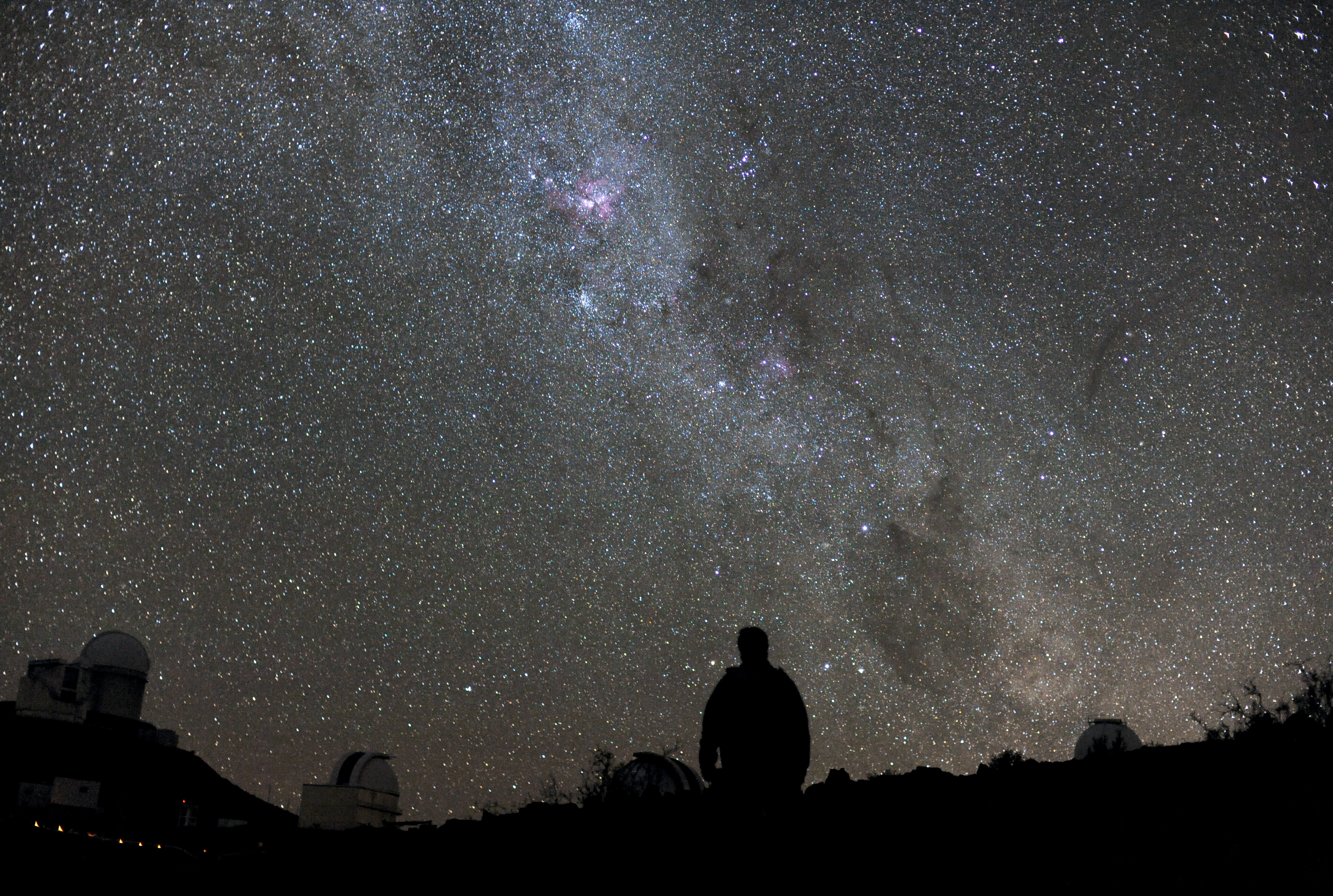
Meteor showers, planetary oppositions, lunar eclipses, and local astronomy club gatherings scheduled for this year.
Updated: April 2026Singapore sits at latitude 1.3 degrees North, giving observers access to celestial objects in both hemispheres. The equatorial position means the Milky Way core passes nearly overhead during June through August evenings.
Cloud cover averages 60-70% throughout the year due to the tropical maritime climate. The northeast monsoon season (December-March) tends to bring extended overcast periods, while the inter-monsoon months of April-May and October-November often produce clearer nights between brief thunderstorms.
Light pollution remains the primary challenge. Singapore scores Bortle 8-9 across most urban areas, with slightly better Bortle 6-7 conditions available at Pulau Ubin and the western reaches of Lim Chu Kang.

Have a question about astronomy in Singapore or want to suggest a topic? Send us a note.